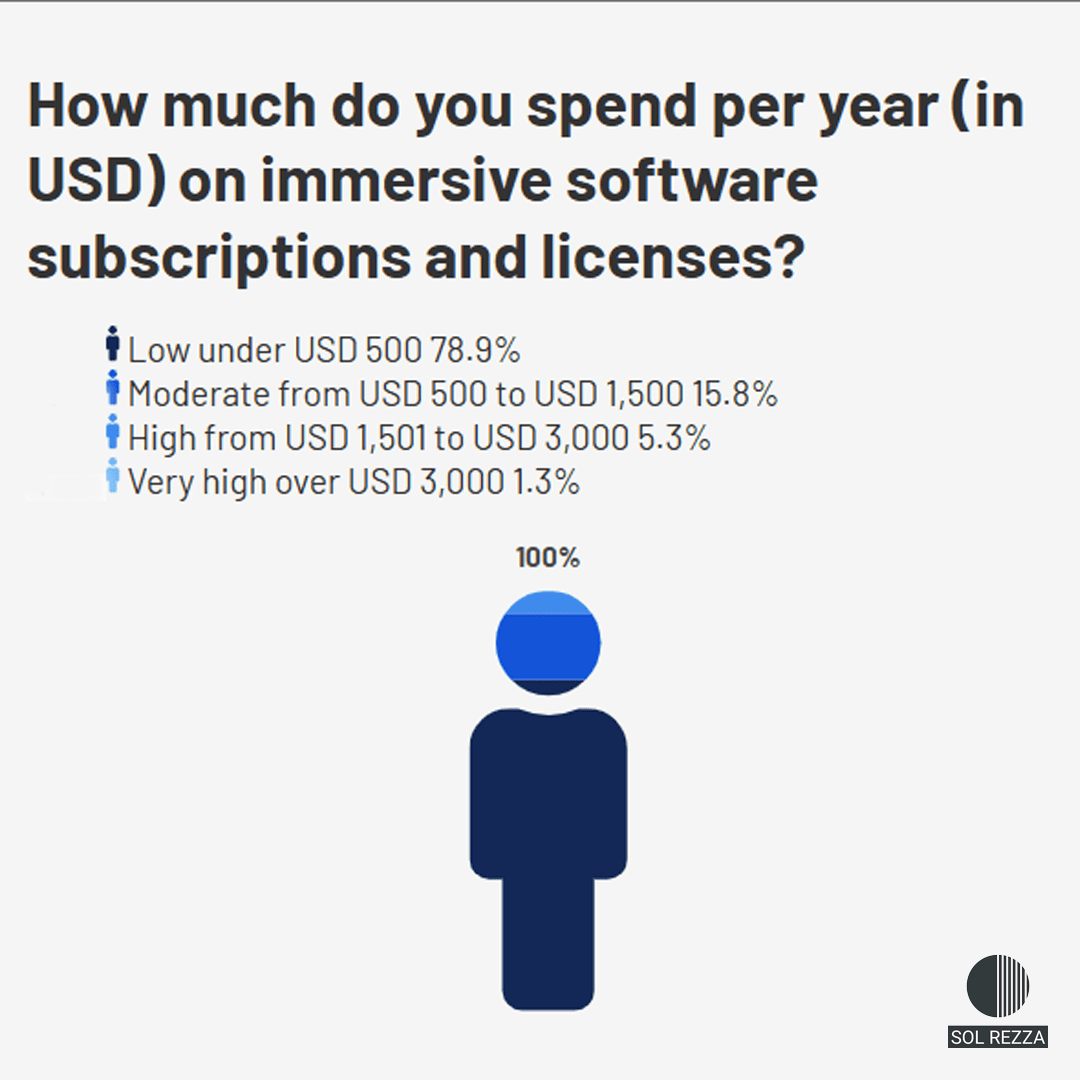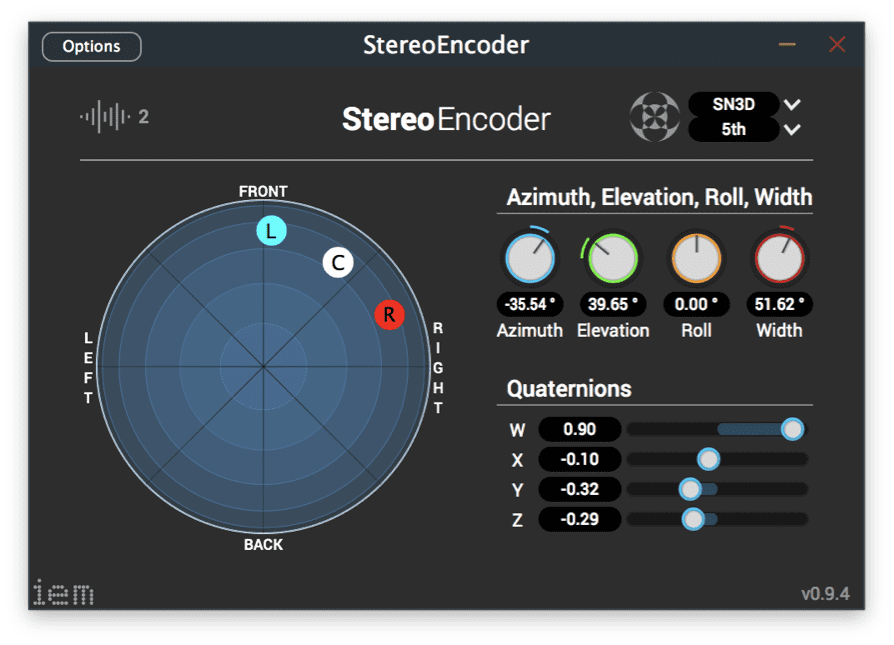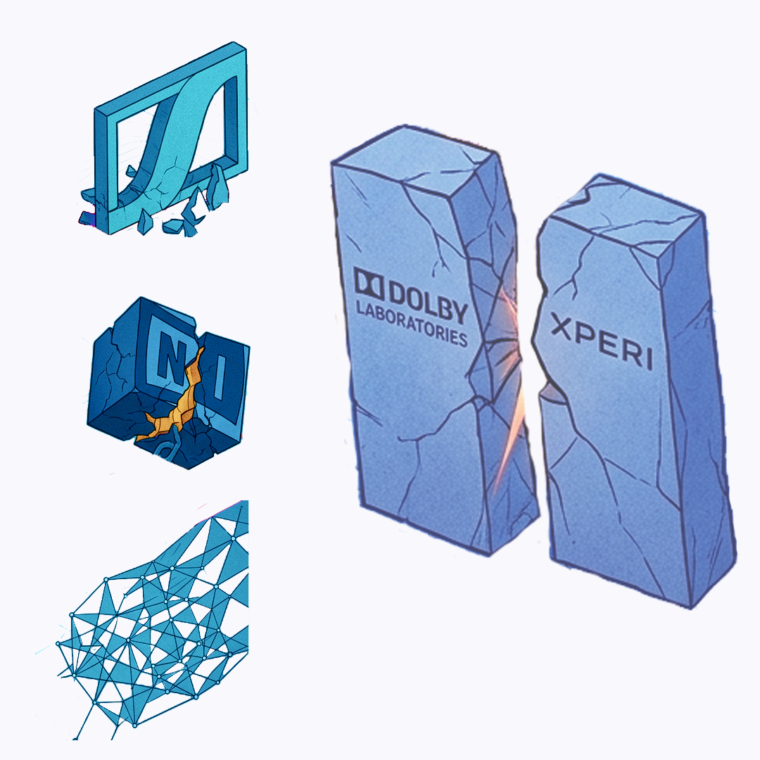

En marzo de 2025, escribí el artículo «Mapa Evolutivo del Audio Inmersivo: Tecnologías, Empresas y Tendencias hacia 2030»
Un año después, el panorama ha experimentado cambios sísmicos. Lo que en 2025 era expansión, en 2026 se ha transformado en fricción y validación.
Hemos pasado de la curiosidad tecnológica a una crisis de interoperabilidad que exige una nueva arquitectura de adopción. Aquí está el análisis actualizado de un mapa cuyo ADN operativo ha mutado en apenas doce meses.
Anatomía de una crisis
Entre 2025 y los primeros meses de 2026, varios eventos clave sacudieron la industria del audio, dejando al descubierto un problema estructural: cuando los flujos de trabajo dependen de entornos cerrados y de grandes actores corporativos, toda la cadena queda vulnerable a cambios súbitos e imprevisibles que afectan directamente el trabajo profesional.
Cierre de Dear Reality (julio de 2025)
Dear Reality ,especialistas en plugins binaurales y renderizado 3D de la serie dearVR cesaron sus operaciones independientes el 31 de julio de 2025 como parte de una consolidación estratégica bajo Sennheiser Group.
No se trató de una quiebra, sino de una integración corporativa. Sennheiser incorporó los activos estratégicos de Dear Reality, incluyendo bibliotecas HRTF, algoritmos de upmixing y la arquitectura de renderizado, en su ecosistema AMBEO , junto con su experiencia técnica acumulada, patentes y criterios de diseño.
Como fase de transición, las versiones heredadas de dearVR, incluyendo PRO 2 y MICRO, se ofrecieron de forma gratuita antes de la desactivación definitiva de los sistemas de licencias en 2026. (https://www.sennheiser.com/en-us/immersive/dear-reality)
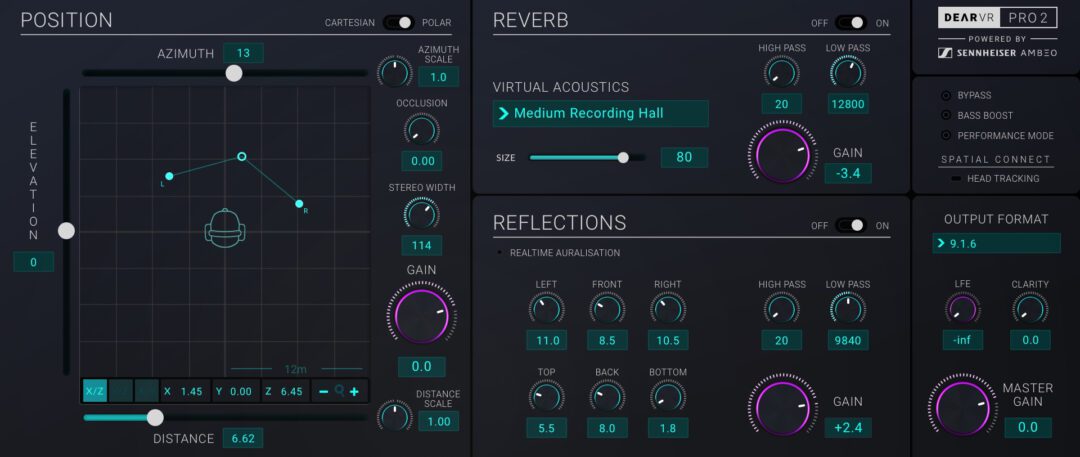
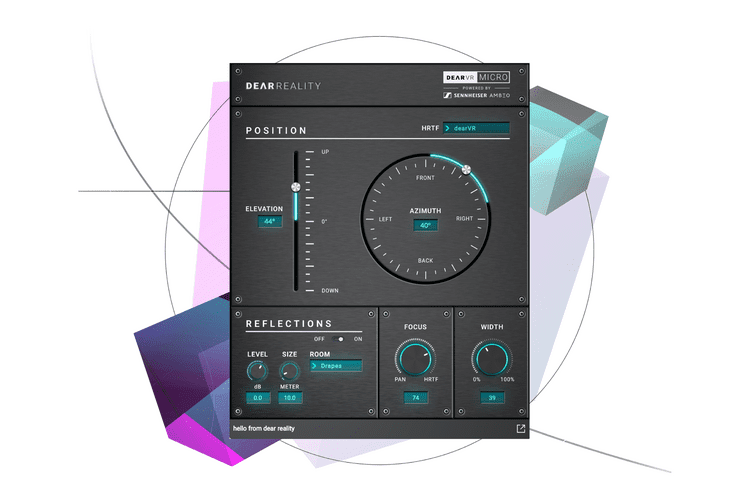
La reacción de la comunidad fue ambivalente. Por un lado, muchos productores descargaron las versiones liberadas a través del boletín de AMBEO, asegurando acceso indefinido sin gestores de licencias.
Por otro lado, surgieron preocupaciones que impactaban directamente los flujos de trabajo de producción, sobre cuánto tiempo estos plugins seguirían siendo confiables dentro de proyectos activos. En mi caso, era una de las suites que más recomendaba y utilizaba en mi propio flujo de trabajo.
Con el fin del soporte el 31 de julio de 2025, los plugins entraron en un estado cercano al abandonware*.
Siguen siendo operativos, pero sin mantenimiento ni actualizaciones. Esto los deja expuestos a futuras incompatibilidades con nuevas versiones de macOS o Windows y posibles cambios en los formatos VST y AU. En consecuencia, funcionan hoy, pero su estabilidad a mediano plazo ya no está garantizada.
*Abandonware es un término que combina “abandoned” (abandonado) y “software”, y se popularizó en los años noventa para describir programas que ya no se vendían ni eran soportados por sus desarrolladores. Se utilizaba especialmente en el ámbito de los videojuegos antiguos, que quedaban fuera del mercado debido a la rápida obsolescencia del hardware, la desaparición de las empresas que los crearon o la falta de interés comercial en mantenerlos activos. Antes de la aparición de tiendas digitales como Steam o GOG, muchos de estos productos permanecían en un limbo: no podían comprarse legalmente, pero tampoco estaban disponibles de forma oficial.
Insolvencia de Native Instruments (enero de 2026)
En enero de 2026, Native Instruments GmbH que agrupa marcas como iZotope, Plugin Alliance y Brainworx, inició formalmente procedimientos preliminares de insolvencia.
Este paso no implica una quiebra o liquidación inmediata, sino una fase de estabilización supervisada judicialmente. La empresa continúa operando bajo la supervisión de un administrador independiente, con un período inicial de 90 días para negociar con los acreedores, evaluar opciones de recapitalización, venta parcial o fusión, y presentar un plan de viabilidad. Si este proceso fracasa, podría escalar hacia una insolvencia total con venta forzosa de activos.
Un poco de contexto histórico ayuda a comprender la situación actual.
En abril de 2021, la empresa Francisco Partners adquirió aproximadamente el 76 % de Native Instruments.
Tras esa operación, se creó la empresa holding Soundwide, integrando a Native Instruments, iZotope y Plugin Alliance bajo una única estructura. La operación se estructuró como un leveraged buyout, es decir, una adquisición financiada en gran parte con deuda que debía ser pagada con los ingresos futuros del propio grupo.
La estrategia buscaba consolidar marcas y generar sinergias, especialmente en torno al ecosistema Kontakt , su plataforma central de sampling, mientras se optimizaban los recursos técnicos, el desarrollo y la estructura comercial bajo una única gestión.
En el plano estratégico, la integración prometía eficiencia, expansión y mayor competitividad.
Sin embargo, implicaba asumir una carga financiera dependiente de las proyecciones de crecimiento en un mercado que, entre 2023 y 2025, empezó a mostrar señales de desaceleración y saturación.
Al mismo tiempo, se produjeron rondas de despidos, tensiones internas y cambios en la dirección ejecutiva. La combinación de alta deuda, crecimiento moderado y reestructuraciones internas condujo a una fragilidad financiera, que culminó con los procedimientos legales iniciados en enero de 2026.
A diferencia del caso de Dear Reality, no se trata de un cierre específico, sino de un panorama mucho más amplio de incertidumbre.
- La legendaria firma de producción de audio iZotope, conocida por Ozone y RX, continúa operando con normalidad, aunque circulan hipótesis sobre una posible venta futura o escisión.
- Plugin Alliance mantiene sus licencias activas, pero ha moderado su ritmo comercial.
- El núcleo de Native Instruments Kontakt, Maschine y Komplete sigue funcionando, aunque con actualizaciones postergadas.
El punto más sensible es la dependencia estructural del ecosistema de Kontakt, donde cientos de desarrolladores externos basan sus instrumentos y librerías en esta infraestructura.
Si los servidores o los sistemas de activación se vieran afectados, el impacto alcanzaría a una amplia red de productores y estudios que dependen de esa plataforma para sostener sus proyectos.
Dentro de la comunidad profesional surgió una reacción inmediata de alerta, especialmente por el temor a las licencias huérfanas.
Aunque la empresa comunicó la continuidad operativa, muchos estudios comenzaron a revisar sus flujos de trabajo, diversificar herramientas y reducir la dependencia de entornos cerrados.
La ausencia de Native Instruments en el NAMM 2026 reforzó la percepción de inestabilidad y la cobertura en los medios especializados aceleró el debate sobre la sostenibilidad financiera en el sector del audio profesional.
Más allá del caso específico, la señal es clara. Hoy incluso las empresas consideradas pilares de la industria pueden atravesar procesos de reestructuración profunda.
En 2026, la estabilidad técnica de los pequeños productores ya no puede pensarse de forma aislada; está directamente vinculada a la solidez corporativa de los ecosistemas de los que dependen.
Despidos masivos en Meta Reality Labs (enero de 2026)

A comienzos de enero de 2026, Reality Labs, Meta la división dedicada a XR/VR/AR ejecutó una reducción significativa de personal, afectando aproximadamente entre 1.000 y 1.500 empleados (alrededor del 10 % de su plantilla).
La medida fue comunicada internamente el 13 de enero a través de un memorando de Andrew “Boz” Bosworth, CTO de Meta, y se enmarcó dentro de un giro estratégico que reduce el compromiso con el metaverso inmersivo y prioriza la inteligencia artificial, los wearables ligeros (como las gafas Ray-Ban Meta) y dispositivos de computación espacial más accesibles.
Desde 2021, tras el cambio de marca de Facebook a Meta, la compañía había invertido decenas de miles de millones de dólares en el hardware Quest, en Horizon Worlds y en el desarrollo de entornos virtuales persistentes.
Sin embargo, la adopción fue menor de lo proyectado y las pérdidas acumuladas de Reality Labs superaron los 70.000 millones de dólares.
En paralelo, el crecimiento acelerado de la IA generativa reorientó el foco corporativo. Los wearables con integración de IA multimodal mostraron mayor tracción comercial que los visores de realidad virtual de gran formato.
Las consecuencias para el ecosistema del audio espacial fueron directas:
- Reducción en la I+D de audio XR Parte del equipo dedicado a 6DoF audio, Ambisonics, y renderizado volumétrico fue desmantelado o absorbido por otras áreas.
Las funciones experimentales avanzadas de espacialización en Quest permanecieron en fase beta o fueron discontinuadas. - Simplificación de la hoja de ruta de Quest El enfoque pasó de la investigación en paisajes sonoros volumétricos y HRTF personalizados a implementaciones más básicas, como el passthrough para formatos existentes (por ejemplo, Dolby Atmos) y experiencias estéreo espacializadas.
- Cancelación de demostraciones y asociaciones estratégicas Los eventos técnicos y las demostraciones previstas para 2026, incluidas las presentaciones vinculadas al audio inmersivo en América Latina, fueron cancelados o rediseñados. Los estudios y desarrolladores independientes que dependían de colaboraciones con Meta tuvieron que reconfigurar sus flujos de trabajo.
- Migración hacia alternativas abiertas Muchos desarrolladores de VR comenzaron a diversificar sus herramientas, adoptando motores como Steam Audio o soluciones integradas en Unity y Unreal, reduciendo la dependencia directa de la infraestructura propietaria de Meta.
El caso de Reality Labs no implica el fin del audio inmersivo en VR, pero sí marca un cambio de escala. El modelo corporativo de la “gran apuesta” por un metaverso totalmente inmersivo está perdiendo terreno frente a soluciones híbridas más pragmáticas: IA + wearables ligeros + espacialización moderada.
Para los profesionales del audio, la lección es similar a los casos de Native Instruments y Dear Reality:
Innovación técnica depende cada vez más de decisiones financieras corporativas.
Ecosistemas cerrados pueden cambiar de prioridades rápidamente.
Diseñar flujos de trabajo resilientes requiere diversificación y estándares interoperables.
En 2026, el riesgo ya no reside solo en la obsolescencia tecnológica, sino en la volatilidad estratégica de las grandes empresas tecnológicas.
Nueva adquisición de Harman (mayo de 2025)
Masimo Corporation, reconocida por su tecnología de monitoreo médico no invasivo (como la oximetría de pulso SET), decidió desprenderse por completo de su división de audio de consumo.
El 6 de mayo de 2025 anunció la venta de Sound United a HARMAN International, una subsidiaria de propiedad total de Samsung Electronics. La transacción incluyó históricas marcas de alta fidelidad y cine en casa:
Bowers & Wilkins
Denon
Marantz
Polk Audio
Definitive Technology
HEOS, Classé, and Boston Acoustics
Sound United comenzó a operar como una unidad estratégica dentro de la división Lifestyle de Harman, junto con aproximadamente 2.500 empleados especializados.
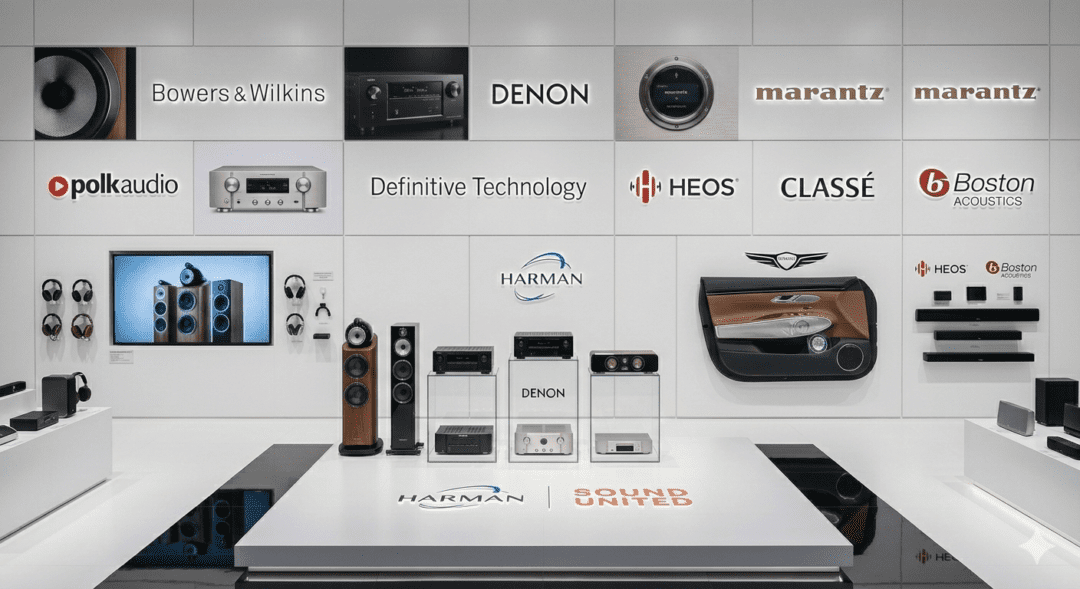
La lógica no se limita a sumar marcas, sino a consolidar un ecosistema vertical en el que hardware, software y distribución se alineen bajo una única arquitectura corporativa.
En términos estructurales, no se trata de una crisis como en los casos de Native Instruments o Reality Labs, sino más bien de un proceso de concentración. Sin embargo, el efecto subyacente es similar: menos actores independientes y una mayor centralización del mercado dentro de conglomerados tecnológicos.
Para el ecosistema del audio inmersivo, esto implica que la evolución del hardware de reproducción,desde el living hasta el automóvil, dependerá cada vez más de decisiones estratégicas tomadas por grupos globales. La tendencia es clara: menor fragmentación, mayor integración vertical y una convergencia acelerada entre consumo masivo, sector automotriz y experiencias inmersivas.
Disputas: Dolby vs. Xperi — las licencias ralentizan la estandarización del audio inmersivo (2025–2026)
Dolby Laboratories y Xperi Corporation (propietarios de DTS:X y HD Radio) estuvieron involucrados en conflictos de propiedad intelectual que impactaron directamente la velocidad de adopción de IAMF (Immersive Audio Model and Formats), un marco estandarizado para audio inmersivo desarrollado en el marco del ecosistema MPEG .
Su objetivo es permitir la distribución y reproducción de sonido espacial, basado en objetos y escenas, de una manera más flexible y abierta que los sistemas completamente propietarios.
El punto crítico no fue técnico, sino legal y comercial: cómo licenciar, integrar y monetizar tecnologías inmersivas que compiten por el mismo espacio en televisores, barras de sonido, automóviles y plataformas de streaming.
Posición de Dolby Laboratories: control técnico y licenciamiento
La postura de Dolby Laboratories se basa en un ecosistema altamente controlado centrado en Dolby Atmos,.
Dolby fundamenta su posición en un sólido portafolio de patentes que cubre aspectos centrales del audio basado en objetos: renderizado espacial, gestión dinámica de metadatos y herramientas profesionales certificadas.
Al considerar estos elementos como parte de su propiedad intelectual protegida, la empresa sostiene que cualquier implementación que utilice principios similares, especialmente en la estructuración, el transporte y la interpretación de metadatos espaciales, debe estar sujeta a licenciamiento.
Esto limita el desarrollo de soluciones paralelas entre plataformas si no existen convenios formales previos
En la práctica, la defensa activa de este marco limita la creación de puentes o herramientas de conversión que permitirían la transformación libre o automática de contenido DTS hacia flujos de trabajo de Atmos.
Para los usuarios, estudios y fabricantes, esto significa que la integración con el flujo de trabajo de Atmos no es meramente una decisión técnica, sino contractual.
Operar dentro de este ecosistema implica aceptar sus condiciones de certificación y licenciamiento, lo cual dicta el margen de experimentación, adaptación o reutilización de contenidos entre formatos.
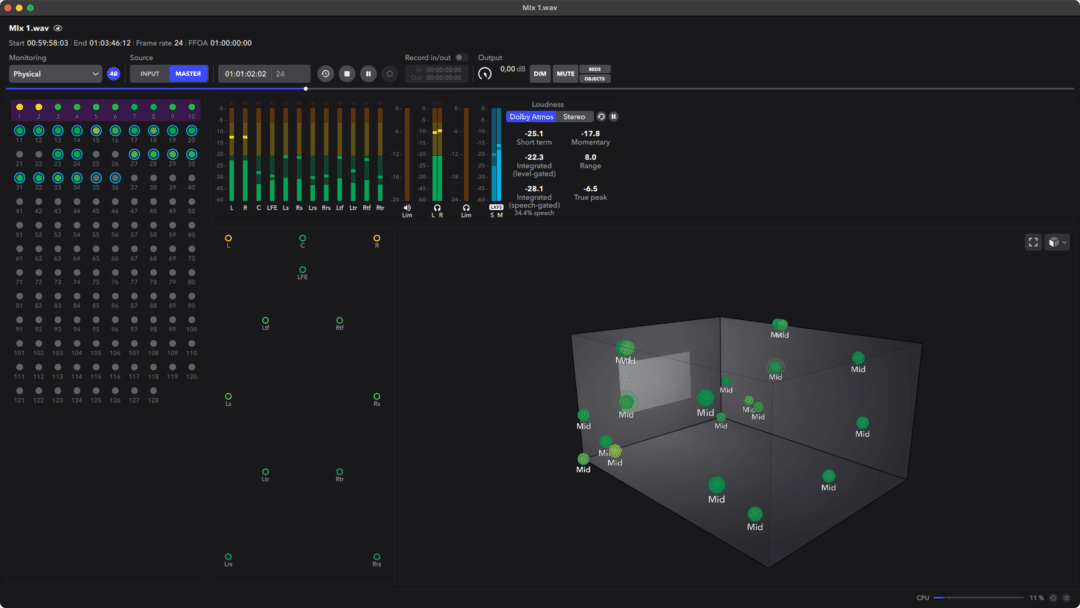
La postura de Xperi: paridad regulatoria y equilibrio en el mercado inmersivo.
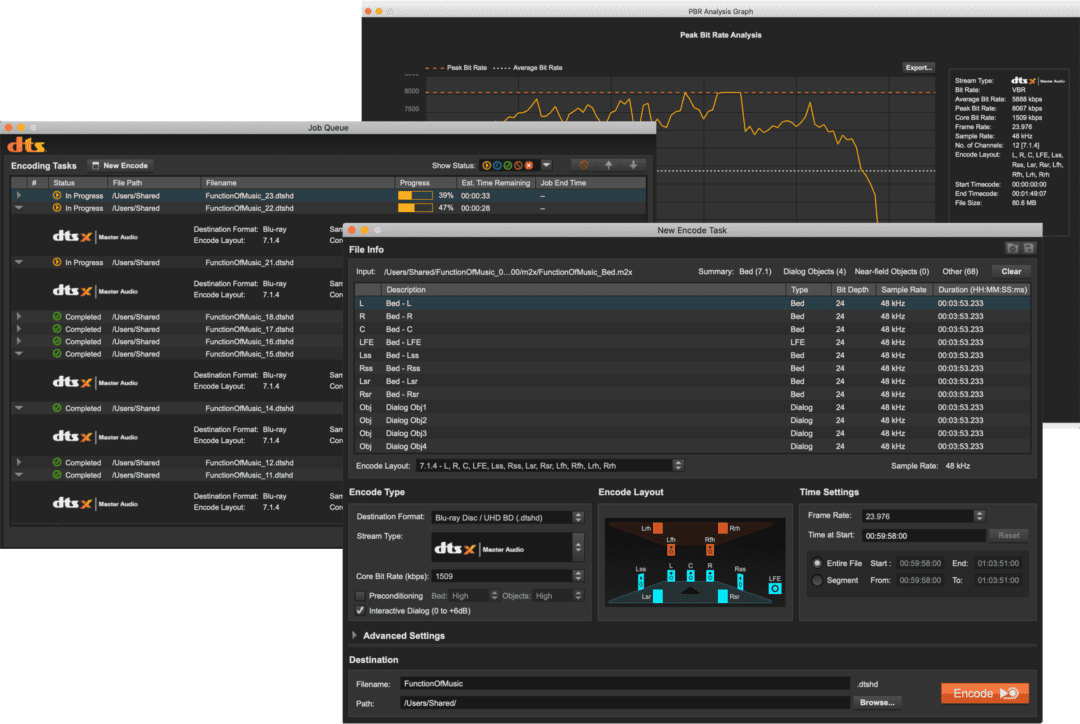
Desde la perspectiva de Xperi, el núcleo del conflicto gira en torno a la defensa de su capacidad para competir en igualdad de condiciones dentro del mercado inmersivo.
Como propietaria de DTS:X, un sistema híbrido que combina canales tradicionales con objetos espaciales, la empresa sostiene que su tecnología ofrece una alternativa técnica viable y comercialmente competitiva frente a otros formatos dominantes. Su argumento principal es que ciertos acuerdos de licencia en el sector, particularmente con fabricantes de televisores y de la industria automotriz, limitan de manera efectiva el acceso de DTS:X al mercado.
Xperi ha sostenido que algunas prácticas contractuales favorecen integraciones exclusivas o condiciones económicas que, en la práctica, obstaculizan la adopción de soluciones alternativas. En este contexto, la empresa ha buscado condiciones de paridad en los grupos de patentes (patent pools) y marcos de licenciamiento bajo los principios FRAND (justos, razonables y no discriminatorios).
El objetivo declarado es evitar que la arquitectura del mercado sea determinada por acuerdos verticales cerrados y garantizar que los fabricantes y usuarios puedan elegir entre diferentes sistemas inmersivos sin barreras contractuales desproporcionadas. En términos estructurales, la postura de Xperi no busca un entorno libre de licencias, sino uno donde el acceso a la infraestructura tecnológica no dependa de las asimetrías de poder entre los titulares de las patentes.
Lista de Verificación de Resiliencia 2026
En un ecosistema tan volátil, la pregunta no es si el audio inmersivo es el futuro, sino cómo sobrevivir a su presente. Aquí mi guía para productores y estudios:
1. ¿Qué debemos hacer como productores hoy?
Evaluar y organizar el software que utilizamos.
Realizar una revisión completa de todo el software e identificar qué plugins, herramientas o servicios dependen de activación en línea, servidores externos o llaves físicas (dongles) para funcionar (por ejemplo, Native Instruments, DearVR u otros sistemas que requieran una conexión o hardware específico).
Tener siempre un plan de respaldo: conservar copias locales, claves offline y respaldos de tus licencias. Siempre que sea posible, contar con alternativas que no dependan de activaciones en línea o de un único proveedor, para no quedar bloqueado si algo falla.
No depender de una sola marca o conjunto de herramientas. Utilizar alternativas siempre que sea posible y guardar copias del trabajo en formatos estándar (como WAV, Ambisonics o ADM-BWF) que puedan abrirse sin necesidad de software propietario.
Inversión en el conocimiento de metadatos
Capacitarnos a fondo en metadatos: no limitarnos a aprender cómo un programa mueve los objetos; es importante comprender cómo están organizados, cómo se transfieren entre programas y cómo se preservan al exportar y reproducir en diferentes sistemas.
Comprender que hoy el valor no reside solo en crear una mezcla más atractiva, sino en garantizar que los metadatos se transfieran correctamente y sin pérdidas entre diferentes programas, sistemas y plataformas (como YouTube o aplicaciones móviles).
Explorar formatos como: ADM-BWF (utilizado en Dolby Atmos) y nuevos estándares como IAMF o Eclipsay comprender cómo incorporarlos en el flujo de trabajo actual.
2. ¿Vale la pena migrar?
Sí, si tu cliente final es el mercado masivo o se centra en la web.
Si produces para plataformas como YouTube, VR, la web o dispositivos móviles, adoptar IAMF es casi necesario debido a los costos, la compatibilidad y las proyecciones a futuro.
IAMF o Eclipsa permiten la adaptación dinámica del audio, utilizan una codificación más eficiente y funcionan en diferentes dispositivos sin tener que exportar múltiples versiones. Esto reduce los costos y hace que el contenido sea más flexible.
Aunque requiere aprendizaje y ajustes al principio, a largo plazo permite trabajar con más libertad y gastar menos a medida que aumenta el volumen de producción.
No, si tu nicho es el cine, el sector premium o la alta fidelidad.
Si trabajas en cine comercial, plataformas de streaming, salas equipadas con Dolby Atmos o proyectos de alta calidad, Dolby Atmos sigue siendo el estándar más utilizado tanto técnica como contractualmente.
En este caso, IAMF sirve como un complemento: Dolby Atmos sigue siendo la versión maestra, y otros formatos se utilizan para adaptar y distribuir el contenido en diferentes entornos.
Ten en cuenta el costo total desde el principio: un proyecto en Atmos puede costar hasta tres veces más que uno convencional si se consideran las herramientas, las licencias y el tiempo de aprendizaje. Incluye esto en el presupuesto para evitar sorpresas.
3. ¿Cómo crear un flujo de trabajo (pipeline) que resista cambios y fallos?
Trabaja con un único archivo maestro del cual se originen todas las versiones.
Diseña el flujo de trabajo basándote en un formato maestro abierto y de alta calidad. Trabaja en Ambisonics de tercer orden o en un formato con objetos y metadatos estándar, como ADM-BWF o IAMF.
A partir de ese archivo principal, genera las diferentes versiones de entrega:
Dolby Atmos,para cine o distribución premium.
IAMF o Eclipsa,para web, streaming y contenido interactivo.
Binaural,para escucha con auriculares, VR o dispositivos móviles.
No mezcles únicamente dentro de un formato cerrado ni dependas de un solo software para la versión final. Hacerlo dificulta la reutilización o adaptación del contenido para nuevas plataformas.
Automatiza y verifica los procesos. No confíes únicamente en lo que escuchas.
Incorpora sistemas de análisis que monitoreen la consistencia técnica del proyecto, no solo el aspecto sonoro. Utiliza herramientas automatizadas, incluyendo IA, para comprobar la fase entre canales u objetos, las posiciones espaciales y verificar que los metadatos se mantengan correctos durante todo el proceso.
Implementa comprobaciones automáticas antes de cada render final (por ejemplo: análisis de consistencia espacial, presencia de metadatos críticos y compatibilidad con las plataformas de destino) para reducir el error humano y los re-procesos.
No guardes solo el audio final. Conserva también las distintas versiones de los archivos de configuración, los metadatos y los informes de control de calidad. Estos elementos forman parte del proyecto y permiten reconstruir, corregir o adaptar el trabajo en el futuro sin tener que empezar de cero.
4. ¿Qué estándares priorizar?
IAMF / Eclipsa: para la democratización y la web.
Si el enfoque es la web, el contenido interactivo o las plataformas de consumo masivo, es recomendable adoptar IAMF (por ejemplo, Eclipsa), ya que está diseñado para adaptarse mejor a esa diversidad de entornos y dispositivos.
IAMF es un estándar abierto y flexible para el audio inmersivo. Permite trabajar con objetos y metadatos dinámicos, adaptando el sonido a diferentes dispositivos, lo que lo convierte en una opción muy adecuada para contenidos que no están destinados al cine.
Dante / AES67: para estabilidad en vivo.
Si trabajas con sonido en vivo, instalaciones permanentes o sistemas en red, es recomendable utilizar estándares de red como Dante o AES67, ya que permiten una transmisión de audio estable y compatible entre diferentes equipos.
Dante permite la creación de redes de audio estables y escalables. AES67, por otro lado, asegura que equipos de diferentes marcas puedan comunicarse entre sí, reduciendo errores y problemas en entornos críticos.
HRTF personalizada basada en las características físicas de cada individuo.
Prioriza herramientas que permitan perfiles de oyente personalizados, como sistemas de HRTF adaptados (por ejemplo, Embodypara que la mezcla sea percibida de forma más realista por el oyente.
Ajustar la HRTF a cada oyente permite que el audio inmersivo se perciba con mayor precisión y naturalidad, especialmente en experiencias basadas en auriculares como la VR o el gaming.
En este contexto, la industria del audio inmersivo no está colapsando, sino atravesando una profunda reconfiguración.
Los casos de integración corporativa, insolvencias, despidos masivos y disputas por licencias revelan un patrón común: la infraestructura técnica en la que confían productores, desarrolladores y estudios está cada vez más concentrada en manos de conglomerados con sus propias agendas financieras y estratégicas. Y ya conocemos los resultados que esto genera en otras industrias.
El movimiento es doble. Por un lado, hay una mayor integración vertical: el hardware, el software, los códecs y la distribución convergen dentro de ecosistemas controlados. Por otro, crecen las tensiones en torno a los estándares abiertos, la interoperabilidad y los modelos de concesión de licencias.
La cuestión ya no es simplemente qué formato suena mejor o qué herramienta es más eficiente, sino bajo qué marco corporativo y contractual se puede trabajar con estabilidad a mediano plazo.
¿Hacia dónde vamos? Todo indica que el mercado tenderá a una menor fragmentación y una mayor concentración, especialmente en el consumo masivo y el sector automotriz. En paralelo, el sector profesional buscará la resiliencia a través de la diversificación de herramientas, la adopción de estándares capaces de funcionar sin problemas en diferentes entornos y la reducción de la dependencia de plataformas únicas.
El audio inmersivo seguirá creciendo, pero lo hará en un entorno donde la soberanía técnica, la capacidad de controlar el propio flujo de trabajo, será tan importante como la innovación sonora.
Mentoría Personalizada de Audio Inmersivo
Acompañamiento 1:1 para desarrollar Proyectos Inmersivos desde un Enfoque Técnico, Perceptual y Estratégico